Becoming a Docent
Applications for the Docent Class of 2027 will be available May 1 – June 5, 2026.
What is a docent?
Docents are essential to the educational mission of Philbrook. They are enthusiastic volunteers who share their passion for art, history, and gardens to connect our visitors to the museum.
What do Philbrook docents do?
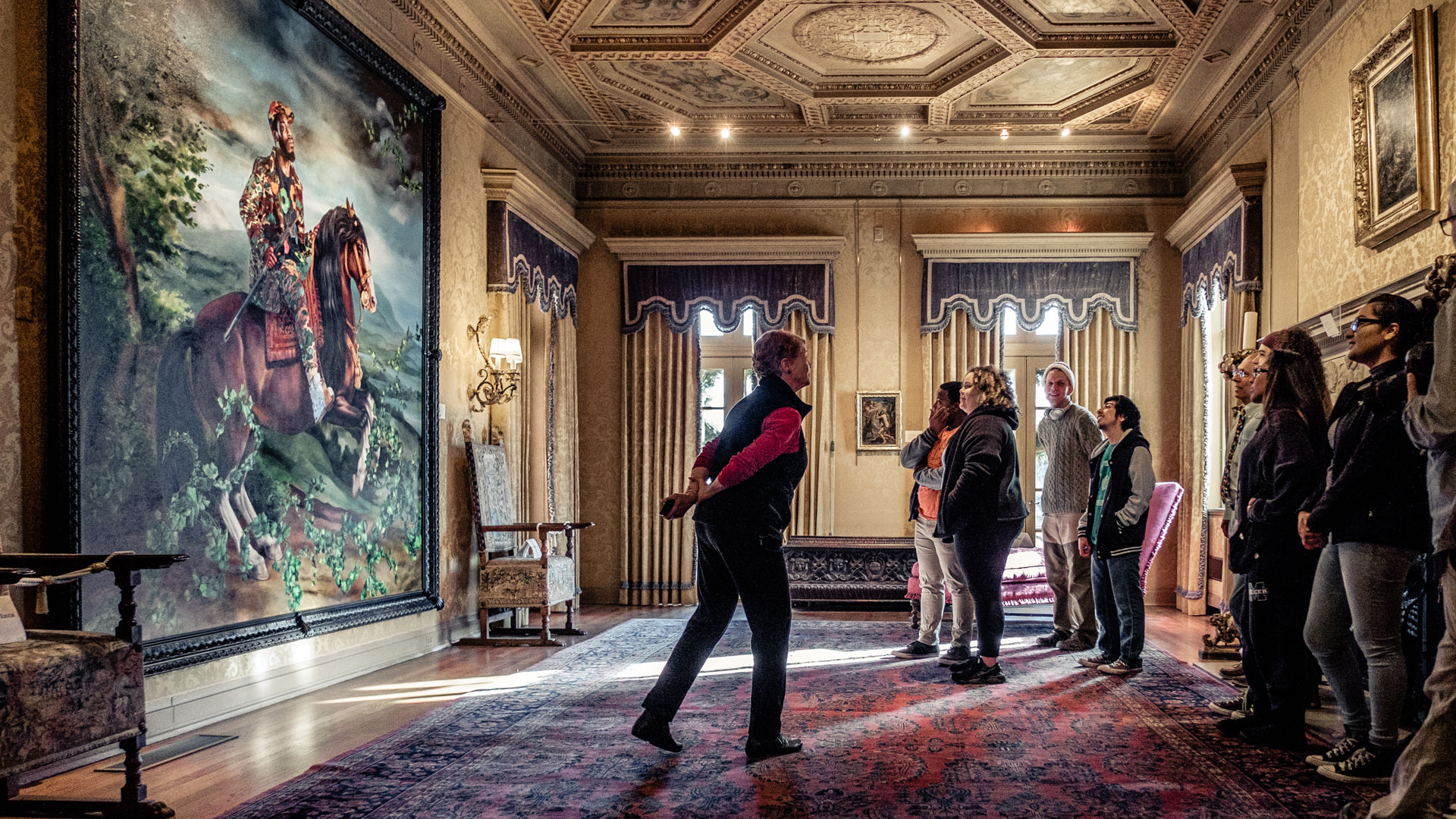
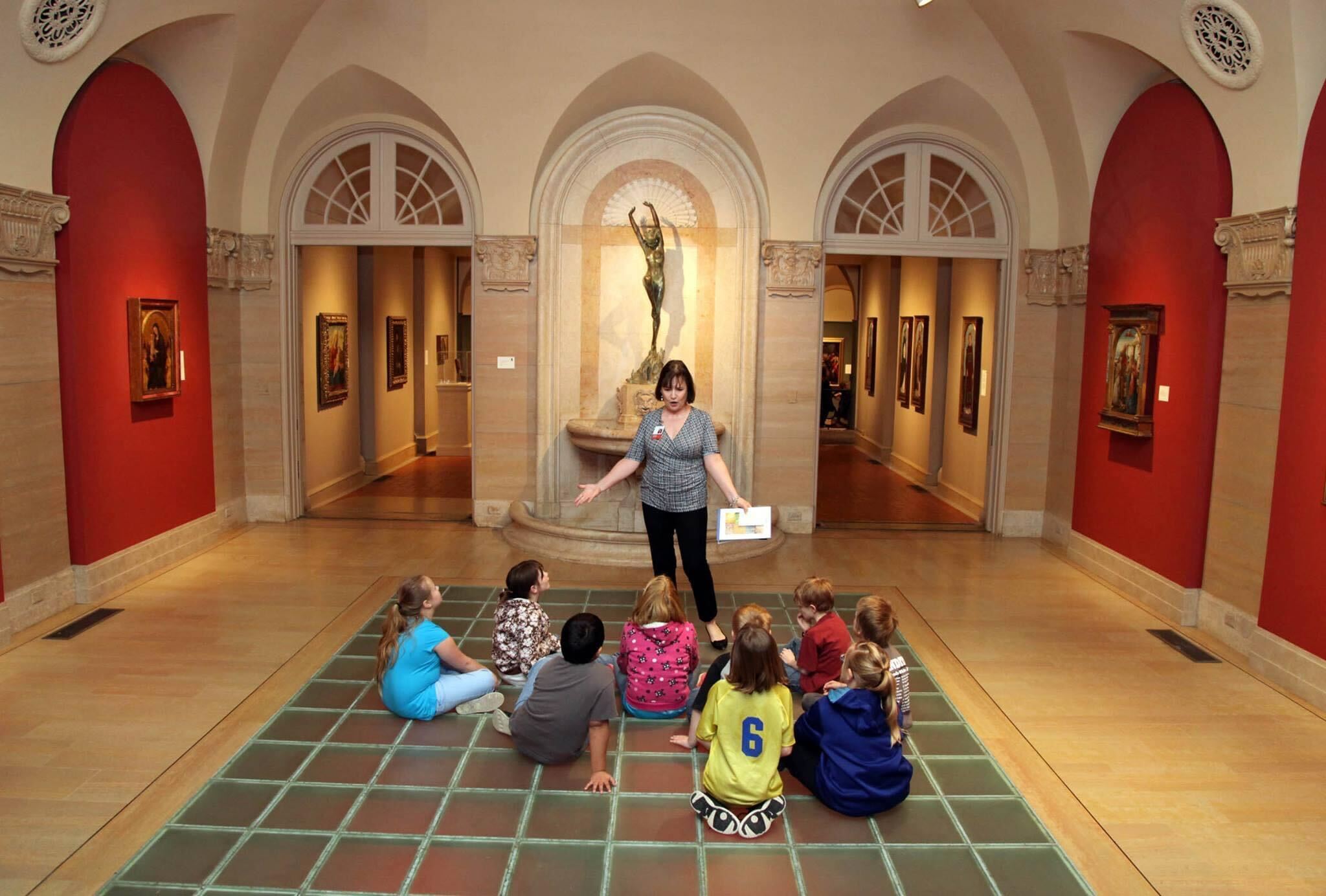
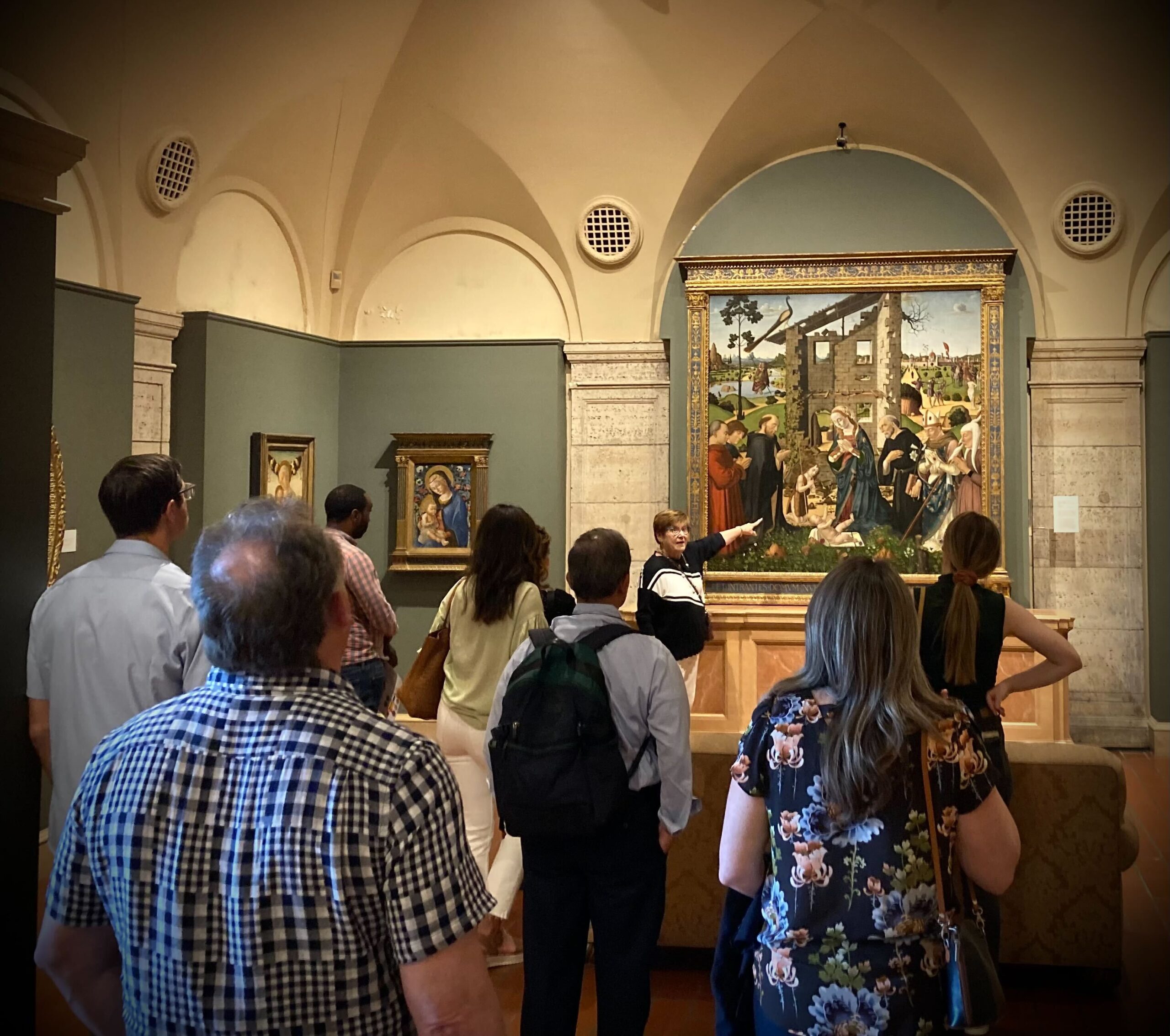
Docents lead public tours for all ages. They are trained on broad engagement techniques to start conversations about art, culture, history, and the world around us. They help visitors think critically and creatively while connecting them to the collection, the gardens, and each other.
Who can become a docent?
Anyone with a passion for art, history, gardens, and a desire to inspire is welcome to apply. There are no educational or professional requirements for becoming a docent.
Docents-in-Training will be trained by museum staff on everything they need to know.
Philbrook respects, values, and celebrates the unique attributes, characteristics, and perspectives that make each person who they are. We believe that our chief strength lies in human diversity, both within our organization and among the visitors and communities with whom we engage. We seek out diversity of participation, thought, and action, and work affirmatively and strategically to be inclusive. For us, diversity, equity, inclusion, and accessibility are drivers of organizational excellence.
What are the benefits of being a docent?
Docents receive specialized training by museum staff and professional speakers. Those who complete the training will emerge with a comprehensive understanding of the museum’s collections as well as practical skills in public engagement. Additionally, they will learn best practices regarding diversity, equity, inclusion, and accessibility.
Docents are invited to special events and parties throughout the year in addition to an annual volunteer recognition luncheon. We emphasize community building as much as continued education. Philbrook is a place to make lifelong friendships and to be a part of an amazing team.
How do I become a docent?
Complete the online Docent Application form available between May 1 and July 5.
Candidates will be selected for interviews between June 1 – July 10. Interviews last up to 45 minutes and are conducted by the Manager of Tour & School Programs and/or representatives from the Docent Council. Not all who apply will receive an invitation to interview due to the high number of applications we receive.
After interviewing, select candidates will be sent further information to confirm their understanding of the requirements involved in the program. Upon agreeing to these, select candidates will be invited to join the next Docent-in-Training Class.
Is there a minimum time commitment required to be a docent? What are the requirements for graduating from the Docent-in-Training program?
Docents are not required to give a certain number of hours to stay in the program after graduating. Some volunteer a few hours each month while others are at the Museum several days of the week. Volunteer opportunities are available mainly during the work week, as well as some select evenings and weekends.
Docents-in-Training have more intensive time requirements. Over the course of the program, the total time commitment for training, tour shadowing, and other requirements is about fifty hours. This equates to about six hours a month.
Upon completing the program, what flexibility can I expect as a docent?
Docents choose to volunteer with the tour groups, events, and programs that best suit them. They are never assigned work.
What accessibility options are there for docents?
Touring docents have the option to give stationed tours, remaining in one room or outdoor area while tour groups cycle through. Docents may use stools or chairs during tours. Docents can create tour routes that utilize elevators and ramps. Seating can be provided during events and festivals as needed.
If you have questions about additional accessibility options at Philbrook, please contact Melissa Ski at mski@philbrook.org or 918-748-5309.
What support will I receive as a docent?
Docents-in-Training are assigned a mentor at the beginning of the program. Mentors help create a warm and welcoming environment for new recruits, monitor their progress in the program, and offer their advice and experience throughout the first year. Mentees are expected to meet with their mentor at least once a month and communicate regularly via email, phone, or in-person.
The Manager of Tours and School Programs is the primary contact, trainer, and staff liaison for the docents. They oversee the program and maintain an open door policy for any questions, concerns, or suggestions from the docent corps.